When we think about improving our fitness, nutrition usually comes down to eating enough protein, fueling our workouts with carbohydrates, and choosing nutrient-dense foods. But there's one essential piece of the puzzle that often gets overlooked: hydration.
Whether you're pushing through a workout, recovering, or simply looking to improve your energy throughout the day, hydration plays a much bigger role than you might think.
And while drinking enough water is important, there's another piece to understand: electrolytes.
Let's break down why both matter, how they affect your performance, and how to know if you're getting enough.
Your body is made up of approximately 50–60% water, and nearly every system in your body depends on it to function properly.
Water helps your body:
Even relatively small fluid losses can affect exercise performance, particularly during longer or more intense workout (Keen, 2025).
When you're dehydrated, these processes become more challenging.
Electrolytes are minerals that carry an electrical charge when dissolved in your body's fluids. They play an essential role in regulating fluid balance, nerve signaling, and muscle contractions.
The major electrolytes include:
When you sweat, you lose both water and electrolytes.
This is important because replacing lost water is only one part of maintaining proper hydration. During prolonged or particularly sweaty workouts, replacing sodium can also be beneficial.
However, that doesn't mean everyone needs an electrolyte supplement every day.
The key is understanding that more electrolytes aren't automatically better. For most people, water and a balanced diet are enough to maintain proper hydration and electrolyte levels.
If you're completing a typical 60-minute CrossFit class in a temperature-controlled gym, drinking water throughout the day and eating regular meals will generally meet your needs.
However, there are situations when additional electrolytes may be helpful:
In these situations, an electrolyte-containing drink can help replace sodium lost through sweat and support rehydration (Human Performance Resources By CHAMP, 2021).
Your body has several ways of telling you when you need more fluids.
Some common signs of dehydration include:
It's important to recognize that these symptoms aren't exclusive to dehydration. Fatigue, headaches, and muscle cramps can have multiple causes, including inadequate nutrition, poor sleep, or other health concerns.
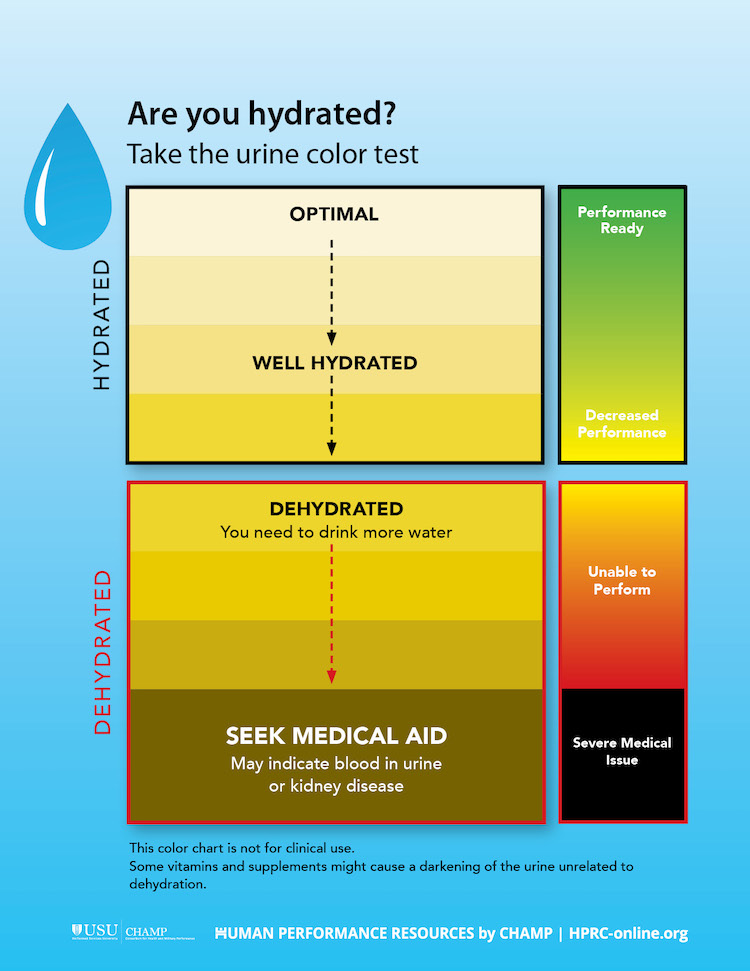
One easy way to monitor hydration is by paying attention to your urine color. Pale yellow generally suggests adequate hydration, while consistently dark yellow may mean you need more fluids (2).
You've probably heard the recommendation to drink eight glasses of water per day.
While that's an easy number to remember, hydration needs aren't the same for everyone.
Your ideal fluid intake depends on several factors, including your body size, activity level, environment, and sweat rate.
Instead of focusing on one perfect number, start by developing consistent hydration habits.
Before your workout: Begin drinking fluids throughout the day rather than trying to catch up right before class. If needed, approximately 14–22 ounces of fluid 2–4 hours before exercise is a useful starting guideline.
During your workout: Keep water accessible and drink regularly based on your thirst, exercise intensity, and sweat losses.
After your workout: Replace the fluids you've lost and eat a balanced meal or snack to help replenish nutrients and electrolytes (Sawka MN, Burke LM, et al., 2007).
You don't need an expensive supplement or a complicated hydration schedule to start making improvements.
Hydration is one of the simplest, yet most overlooked, factors in supporting your health and fitness.
You can follow a great training program, eat enough protein, and prioritize recovery, but if you're consistently underhydrated, you may not be getting the most out of your efforts.
Water should be your foundation. Electrolytes can be a useful addition when your training demands them, but they aren't a replacement for consistent hydration and balanced nutrition.
The next time you're preparing for a workout, think beyond what you're eating. Ask yourself: Have I been hydrating well today?
Sometimes, improving your performance starts with something as simple as filling up your water bottle.