
CrossFit asks a lot from your body. You’re lifting, running, jumping, pulling, pushing, and challenging yourself in ways that require both strength and endurance.
But more training alone does not automatically equal better results.
If you are consistently asking more from your body without giving it enough energy to recover and adapt, eventually your performance can suffer. Proper nutrition is a part of your training.
Under-fueling does not always look obvious. You may still be eating regular meals, showing up to class, and getting through your workouts.
But your body may still be telling you it needs more.
Some common signs include:
One of these signs by itself does not necessarily mean you are under-fueling. But when several begin happening together, it may be worth looking at whether your nutrition is actually keeping up with your training.
Your body uses energy every day just to keep you alive.
Breathing, circulating blood, maintaining body temperature, thinking, digesting food, and carrying out normal daily activities all require energy.
Now add a CrossFit workout on top of that.
Suddenly, your body has an even greater demand for energy. If you want to train hard, recover well, build muscle, and continue improving, you need to give your body enough fuel to support that work.
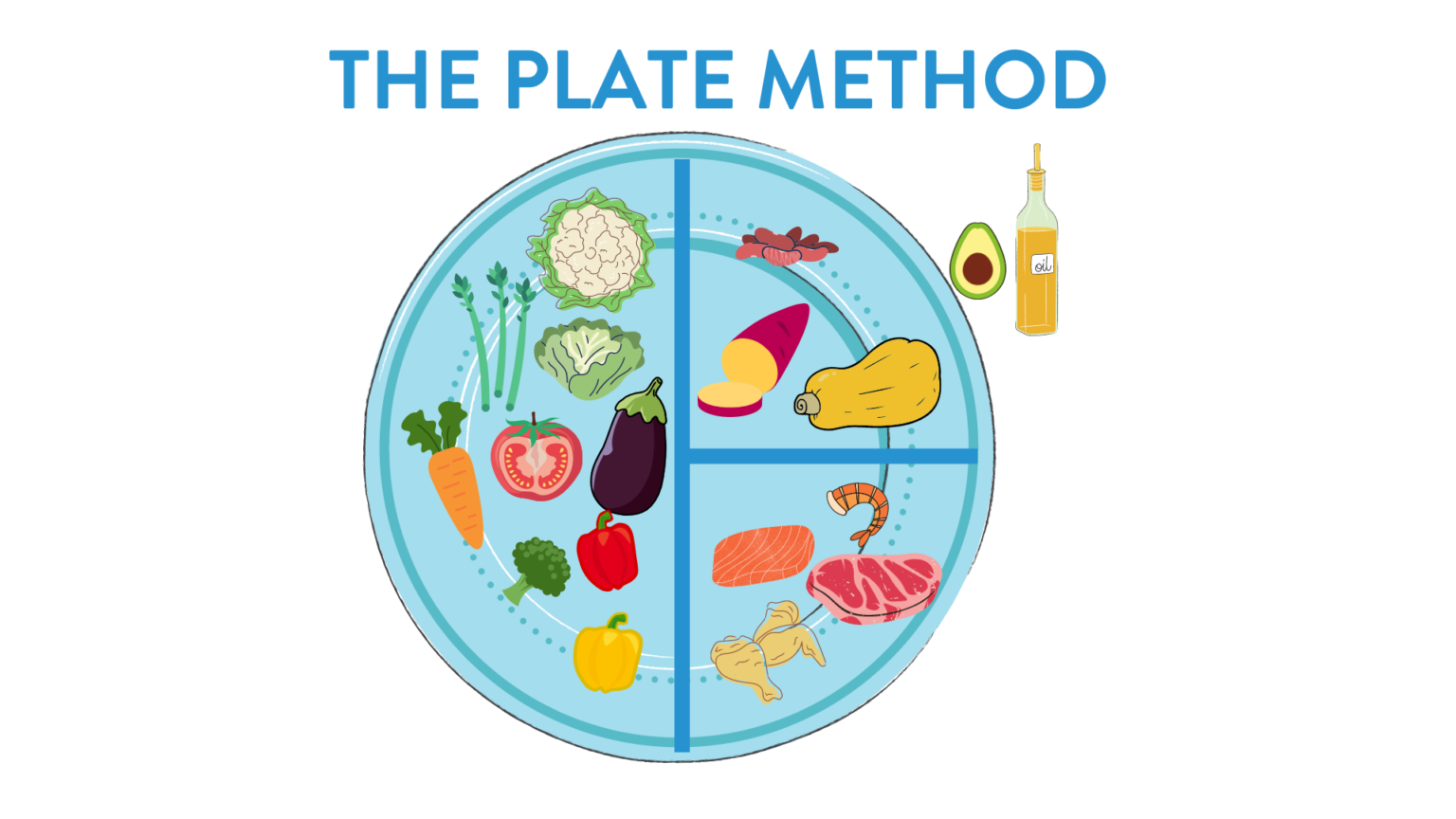
That means eating enough overall, but it also means getting the right balance of carbohydrates, protein, and fat.
Carbohydrates are especially important for high-intensity exercise.
Your body stores carbohydrates as glycogen in your muscles and liver. During hard training, those glycogen stores provide a readily available source of energy.
When carbohydrate intake is consistently too low, you may notice that workouts feel harder, your energy drops sooner, or your performance starts to suffer.
Training creates stress on your muscles. Protein provides the amino acids your body needs to repair that tissue and build it back stronger.
Getting enough protein throughout the day can help support muscle recovery, strength development, and body composition goals.
Dietary fat is also essential.
Fat helps support hormone production, provides a concentrated source of energy, and assists with the absorption of certain vitamins.
Focus on including reasonable portions of healthy fats such as nuts, seeds, avocado, olive oil, eggs, and fatty fish.
Your nutrition around training can make a noticeable difference in how you feel and perform.
About 30–60 minutes before your workout, consider a light source of easily digested carbohydrates.
Examples could include:
After training, your focus shifts toward recovery.
Combining carbohydrates with protein helps replenish the glycogen you used during training while also providing the building blocks your muscles need to recover.
That could look like:
It does not need to be complicated.
You cannot continually ask your body to do more while giving it less.
Training creates the stimulus for your body to become stronger and fitter. But the adaptations you are chasing happen when your body has the nutrition, sleep, and recovery resources necessary to respond to that stimulus.
If your workouts have started feeling harder, your recovery has slowed down, or your progress has stalled, the answer may not be another workout.
You might simply need more fuel.
Your workout is only the stimulus. Nutrition and recovery are where your body actually adapts.
Rooting for you,
Coach Savanna